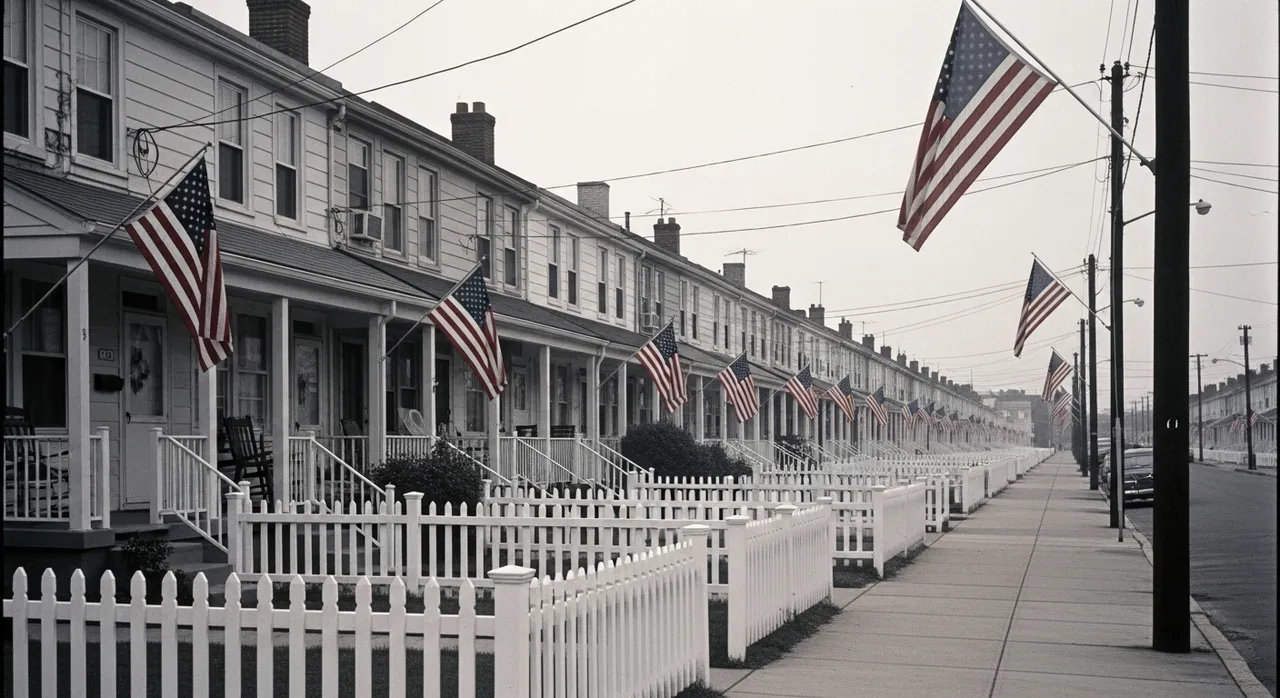
The White Side
- —Company houses with indoor plumbing and electricity
- —Access to management positions and skilled trade roles
- —Separate — and better — company facilities and amenities
- —Higher wages for equivalent labor and seniority rights
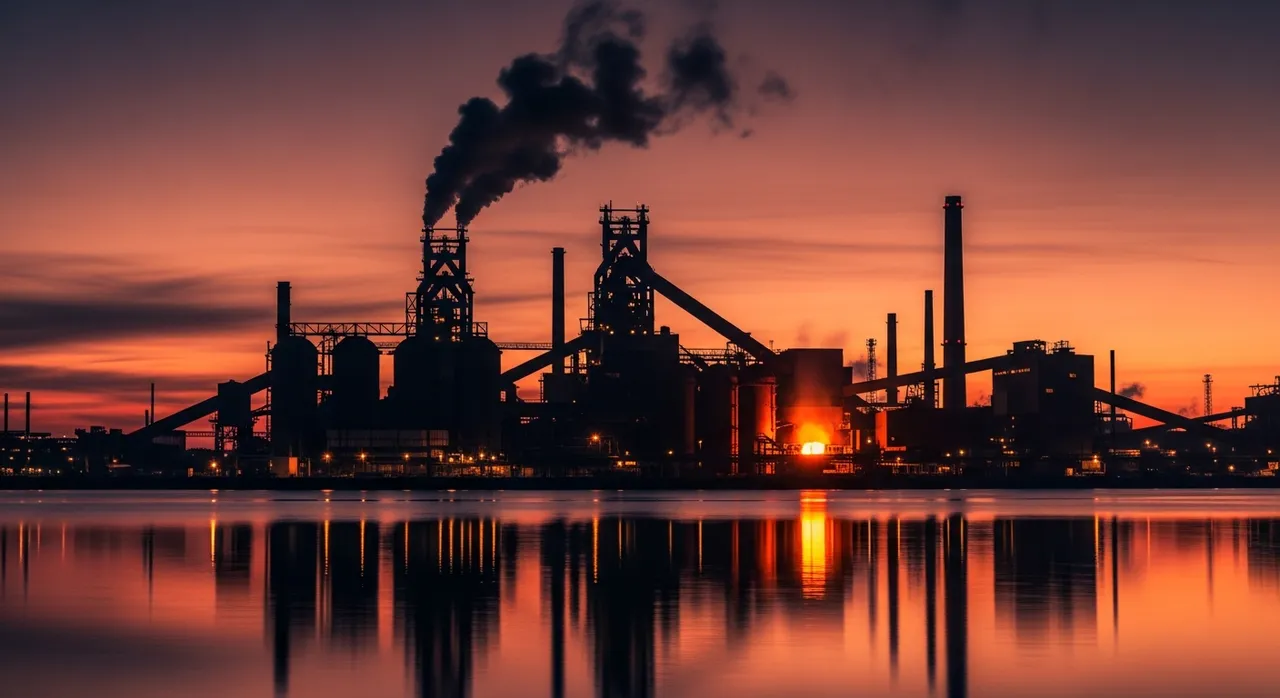
SPARROWS POINT · BETHLEHEM, MARYLAND · 1887–1971
The untold story of the Black steelworkers who forged the metal that built America — and were denied the nation they helped create.
At the edge of the Chesapeake Bay, in the shadow of Baltimore, Bethlehem Steel's Sparrows Point complex rose to become the largest tidewater steel mill on earth. For over a century, its furnaces burned without rest — feeding a nation's hunger for rails, ships, and skyscrapers.
Within its borders existed two distinct towns: one white, one Black — separated by invisible yet ironclad lines drawn by the company itself. White workers lived in company houses with indoor plumbing. Black workers lived in L-streets, the segregated neighborhood designed to keep them close enough to work, far enough to forget.
The Last Men of Steel honors the Black men and women of Sparrows Point whose sweat and sacrifice built the industrial backbone of America. They were denied promotions, paid less for the same brutal work, and written out of history. This series writes them back in.
"They made the steel.
America forgot their names."
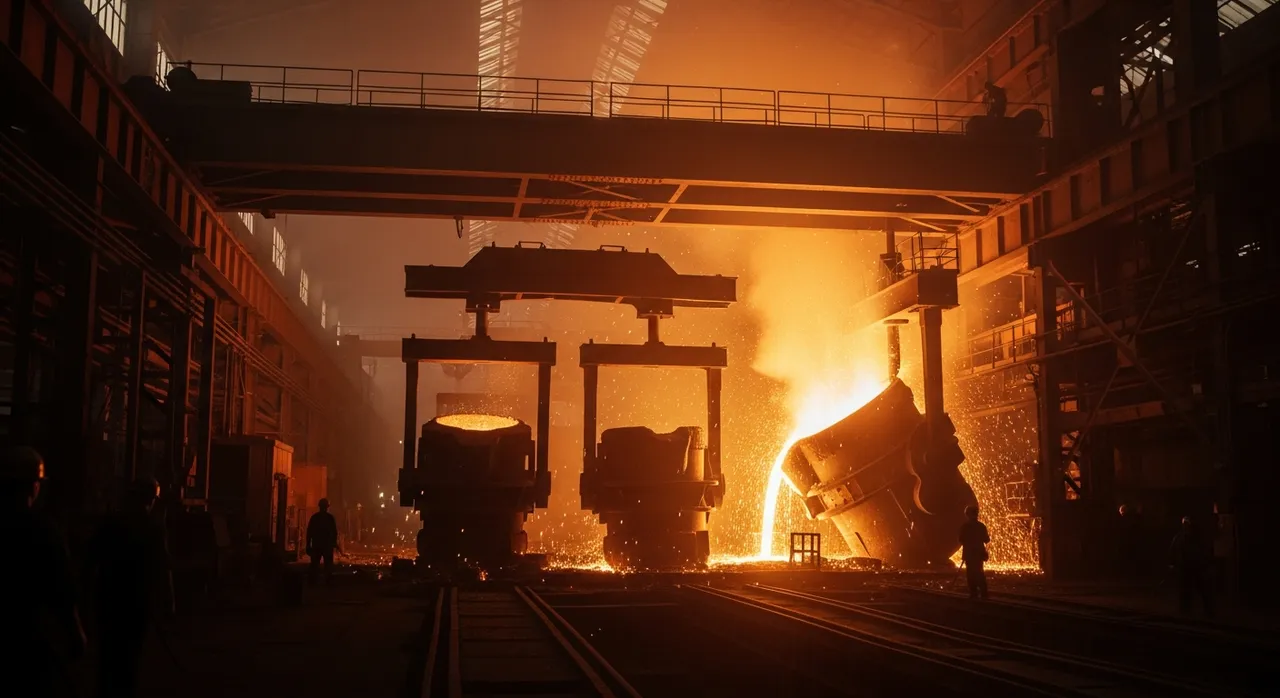
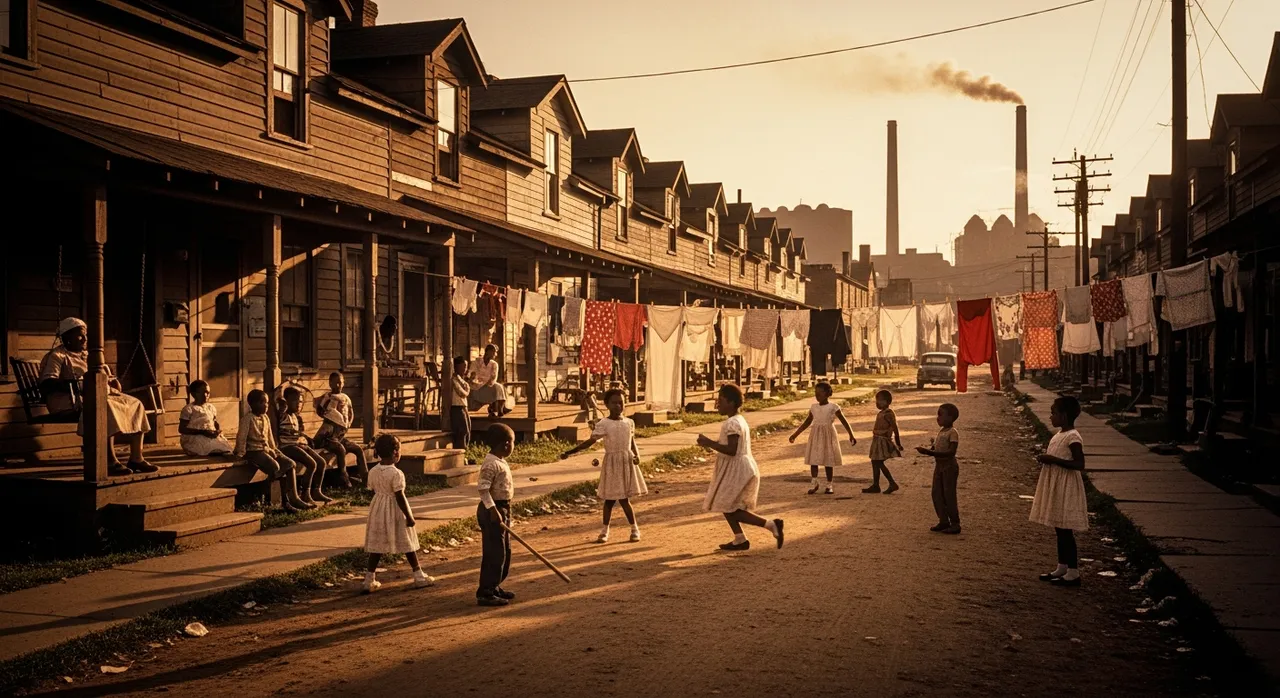
The dividing line was never written into law — it didn't have to be. The Bethlehem Steel Company enforced it through assignment, through housing, through silence. One mill. Two Americas. This is the story of the side that history tried to erase.
1891
Year Bethlehem Steel Was Founded
#1
Largest Tidewater Steel Mill on Earth
30K+
Workers at Peak Production
1971
Year the Mill Was Destroyed
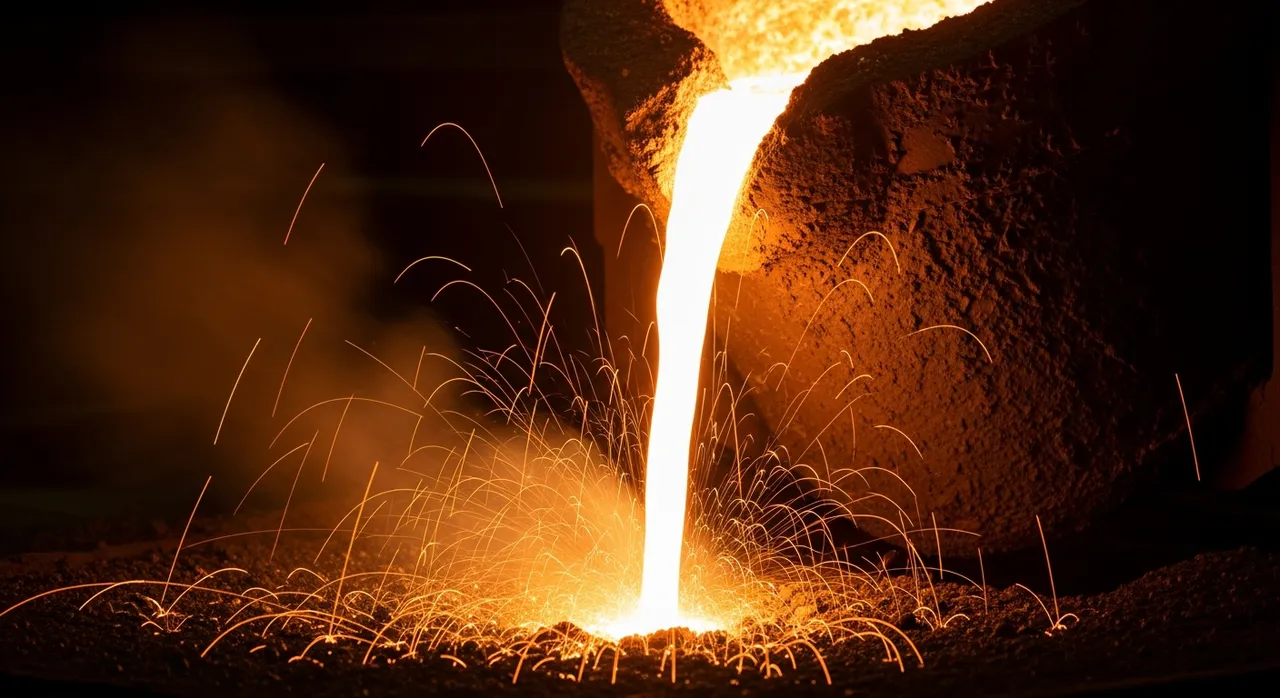
"Every beam. Every rivet. Every skyscraper.
Built by their hands."

MELVILLE - THE CRANE OPERATOR
He moved the steel with expert precision.

JACK - THE RIGGER
Miles of steel moved through his hands.

HICKY - THE MACHINIST
He made the parts that kept the beast alive.
For over a century, Black workers at Sparrows Point were assigned the most dangerous jobs — the furnace floors, the coke ovens, the open hearth. They were paid less than white workers performing identical tasks, denied promotions regardless of skill or seniority, forced to use separate bathrooms and locker rooms, and shut out of the union halls that were supposed to protect them.
Their story is The Last Men of Steel.
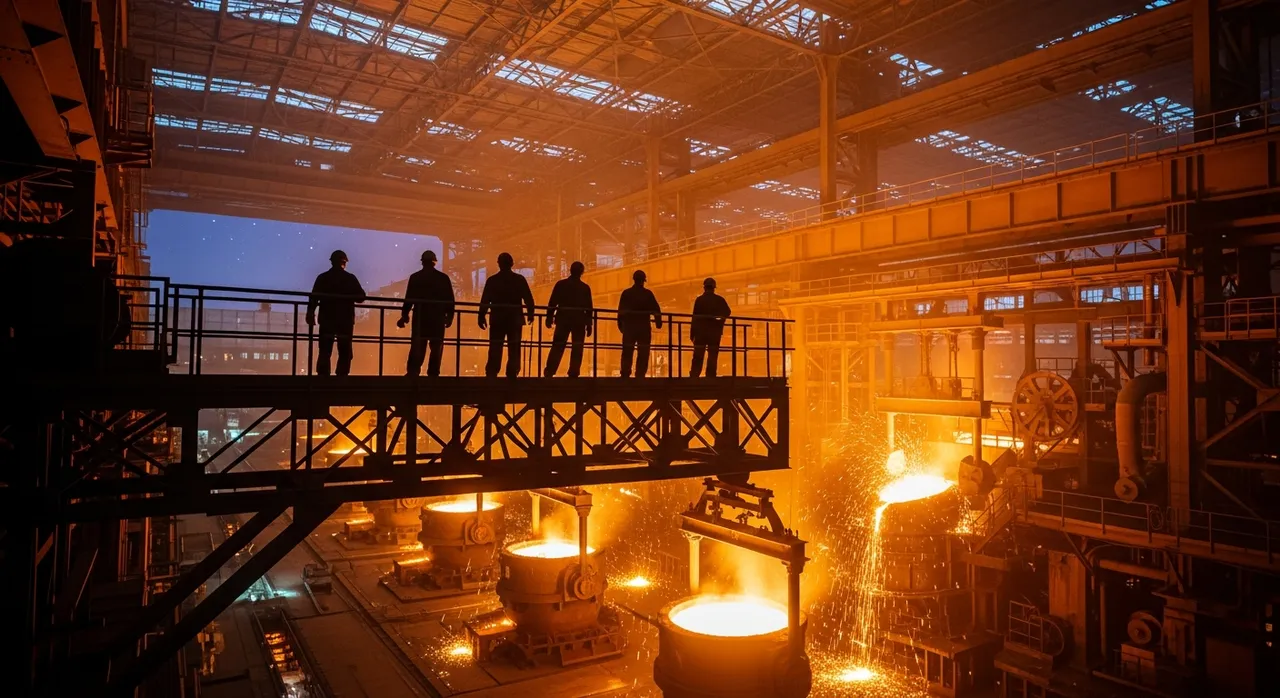
Their story will not be forgotten.
New episodes releasing soon. Join thousands already watching.
© 2025 The Last Men of Steel · A Sparrows Point Story